QEEG, or Quantitative Electroencephalography, is a modern tool that helps doctors track how the brain responds to treatment. In psychiatry and neurology, QEEG offers objective monitoring of treatment responses. This means it provides clear, measurable results, making it increasingly popular in mental health and brain clinics.
What is QEEG?
QEEG stands for Quantitative Electroencephalography. It is a special test that measures the brain’s electrical activity. Unlike a regular EEG, QEEG uses computers to analyze brain waves in detail. As a result, doctors can see patterns that may not be visible otherwise. QEEG is often called “objective brain monitoring” because it provides numbers and graphs, not just pictures.
How QEEG Works in Neurology
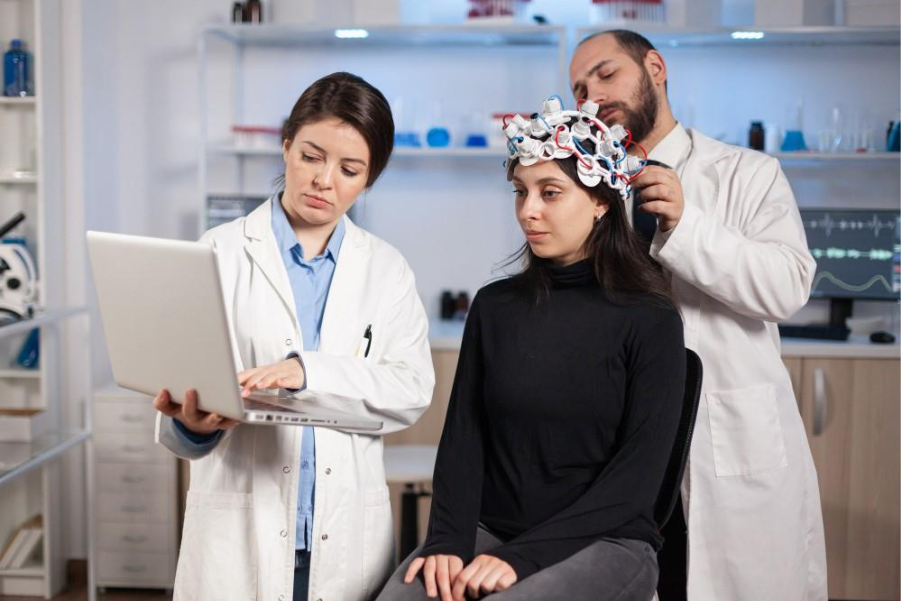
First, small sensors are placed on the scalp. These sensors pick up the brain’s electrical signals. A computer records and analyzes these signals. In psychiatry, QEEG can show changes linked to depression, anxiety, or ADHD. In neurology, it can help track epilepsy or brain injuries. Because QEEG is so detailed, it helps doctors see if treatments are working over time.
Benefits of QEEG for Monitoring Treatment Response
- Provides clear, measurable data about brain activity
- Tracks changes before and after treatment
- Helps doctors adjust treatment plans quickly
- Reduces guesswork in mental health and brain care
- Can spot problems that may not show up in regular tests
Because QEEG is objective, it can help both patients and doctors feel more confident about treatment choices.
Common Conditions Where QEEG is Used
- Depression and anxiety
- Attention Deficit Hyperactivity Disorder (ADHD)
- Epilepsy and seizure disorders
- Traumatic brain injury
- Autism spectrum disorders
- Memory problems and dementia
In many QEEG clinics, doctors use this test to help with treatment response tracking for these conditions.
The QEEG Procedure: What to Expect
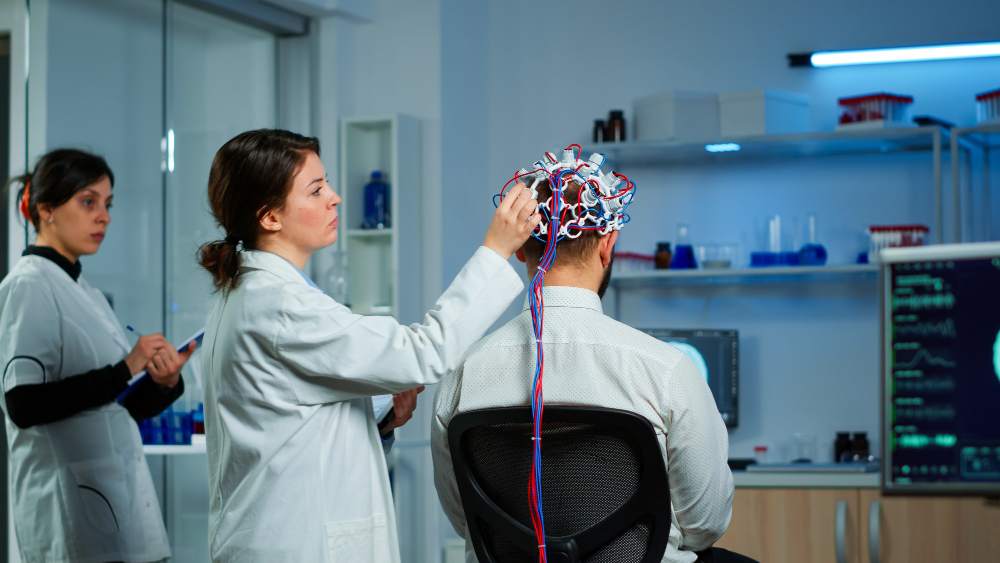
First, you will sit in a comfortable chair. A technician will place small sensors on your scalp. These sensors do not hurt. You will relax while the computer records your brain waves. The test usually takes 30 to 60 minutes. Afterward, the doctor reviews the results and explains what they mean. Because the test is safe and painless, most people find it easy to complete.
Limitations and Considerations
Although QEEG is helpful, it is not perfect. Sometimes, results can be affected by movement or outside noise. Also, QEEG should not replace a full medical check-up. Instead, it works best when used with other tests and doctor visits. Not every clinic offers QEEG, so you may need to search for a “QEEG clinic in your area.”
Latest Research and Evidence
Recent studies in peer-reviewed journals show that QEEG can help track treatment response in mental health and neurological disorders. For example, research published in Frontiers in Human Neuroscience found that QEEG helps doctors see changes in brain activity after treatment for depression. The World Health Organization (WHO) and the Centers for Disease Control and Prevention (CDC) also support the use of brain monitoring tools like QEEG in certain cases. Because of this, more clinics are starting to use QEEG for objective brain monitoring.
Frequently Asked Questions about QEEG
- Is QEEG safe? Yes, QEEG is non-invasive and painless.
- How long does the test take? Most QEEG tests take 30 to 60 minutes.
- Do I need to prepare? Usually, you just need clean hair and to avoid caffeine before the test.
- Can QEEG diagnose mental health problems? QEEG helps track brain changes but does not replace a full diagnosis.
- Where can I get a QEEG test? Many neurology and psychiatry clinics now offer QEEG. Search for “QEEG clinics in [your city]” for local options.
Summary
QEEG offers a safe and objective way to monitor how the brain responds to treatment. Because it gives clear results, it helps both doctors and patients make better choices. Consult a neurology specialist to learn if QEEG is right for you.
References
- Hengameh, A., & Behnam, B. (2019). Clinical applications of QEEG in neurological disorders. Journal of Neurotherapy, 23(2), 116-132. https://doi.org/10.1080/10874208.2019.1609421
- Coben, R., & Chabot, R. (2007). Quantitative EEG in the evaluation and treatment of ADHD: An overview. Applied Neuropsychology, 14(2), 67–76. https://doi.org/10.1207/s15324826an1402_1
- Centers for Disease Control and Prevention (CDC). (2024, May 15). About epilepsy and seizures. https://www.cdc.gov/epilepsy/about/index.html