
HRV as a Prognostic Tool in Post-Cardiac Rehabilitation Recovery

Introduction to HRV and Cardiac Rehabilitation After a heart event, many people join cardiac rehabilitation. This program helps patients recover and regain strength. Recently, experts have started using HRV as a prognostic tool in post-cardiac rehabilitation recovery. HRV, or heart rate variability, gives important clues about heart health. In fact, monitoring HRV in cardiac rehab […]
How HRV Helps Track Heart Health, Stress & Recovery
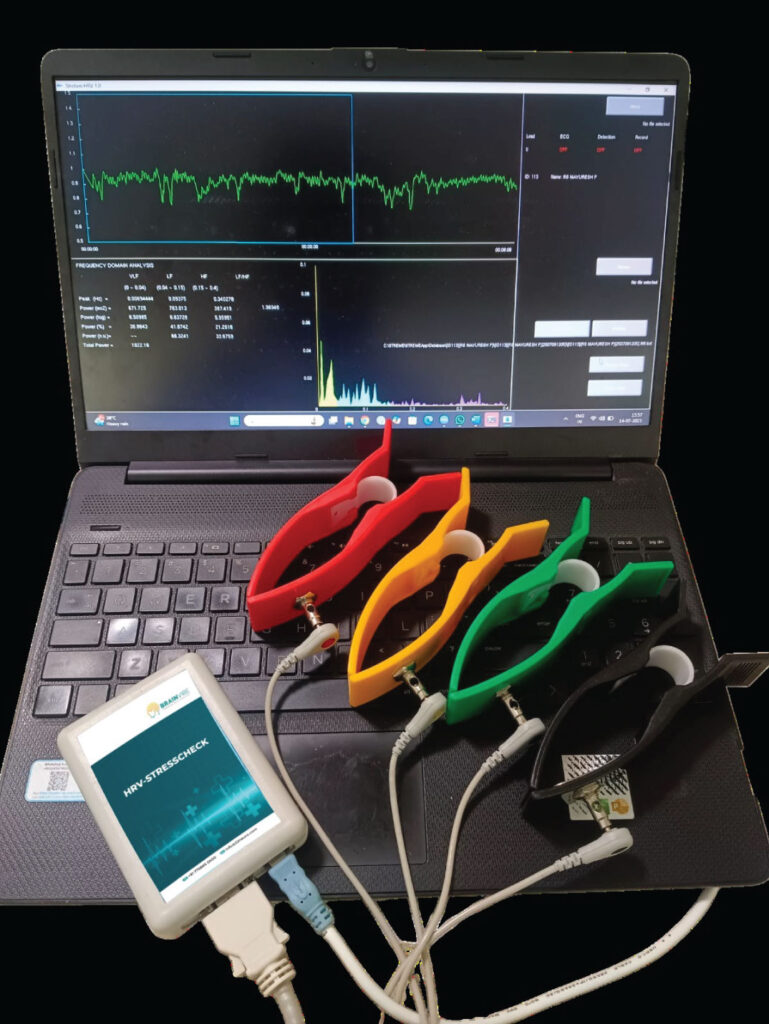
Heart Rate Variability (HRV) is a simple and effective way to track how your heart responds to stress and recovery. Monitoring HRV can give you valuable insights into your heart health and overall well-being. With the help of non-invasive tools, more people are now using HRV monitoring to better understand their bodies. In this blog, we’ll explore […]
What Is HRV and Why Everyone Should Know Their Number?
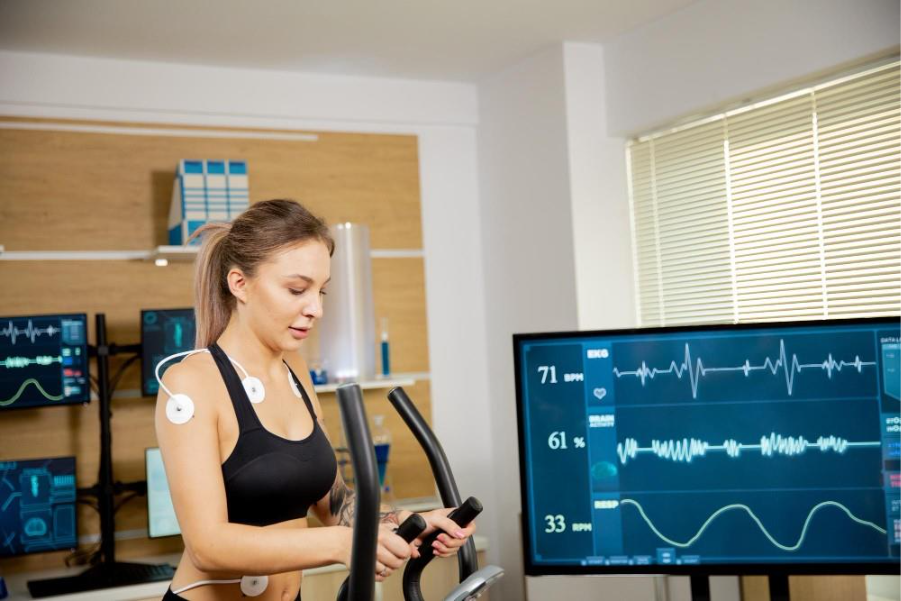
What Is Heart Rate Variability (HRV)? Heart Rate Variability (HRV) is a simple way to measure how healthy your heart and nervous system are. It shows the time difference between each heartbeat. For example, if your heart beats 60 times a minute, the time between beats is not always the same. Sometimes, it is a little longer […]
QEEG Brain Mapping: Understanding Brain Fog and How to Find Clarity

What Is Brain Fog? Many people feel confused, tired, or distracted at times. This feeling is often called brain fog. Brain fog is not a disease, but it can make daily life harder. For example, you may have trouble thinking clearly or remembering things. Sometimes, you may feel anxious, low on energy, or easily overwhelmed […]
QEEG: Objective Monitoring of Treatment Response in Psychiatry and Neurology

QEEG, or Quantitative Electroencephalography, is a modern tool that helps doctors track how the brain responds to treatment. In psychiatry and neurology, QEEG offers objective monitoring of treatment responses. This means it provides clear, measurable results, making it increasingly popular in mental health and brain clinics. What is QEEG? QEEG stands for Quantitative Electroencephalography. It is a special test that measures the brain’s electrical activity. Unlike […]
Why Your Body Detects Stress Before You Realize it

What Is Stress? Stress is your body’s natural response to challenges or demands. When something feels hard or worrying, your body reacts. Sometimes, this reaction helps you stay alert or focused. However, too much stress can harm your health. According to the World Health Organization (WHO), stress can affect both your mind and body. For many people, stress is a part […]
How HRV Can Reveal Stress and Autonomic Imbalance Before Symptoms Appear

What Is HRV? (Heart Rate Variability Explained) Heart Rate Variability (HRV) measures the time between each heartbeat. It shows how well your heart responds to changes in your body. In fact, HRV and autonomic imbalance are closely linked. A healthy heart does not beat like a clock. Instead, the time between beats changes as your […]
HRV and Your Heart: A Non-Invasive Way to Track Stress and Recovery
Heart Rate Variability (HRV) is a simple and effective way to track how your heart responds to stress and recovery. Monitoring HRV can give you valuable insights into your heart health and overall well-being. With the help of non-invasive tools, more people are now using HRV monitoring to better understand their bodies. In this blog, […]
QEEG Brain Mapping for Mental Fitness & Neurorehabilitation

What is QEEG? QEEG stands for quantitative electroencephalogram. It is a safe and non-invasive test that measures brain activity. Unlike a regular EEG, QEEG uses advanced computer technology to analyze brain waves in detail. This process creates a brain map that shows how different areas of the brain function. Many experts refer to this as “brain mapping for mental health.” QEEG is gaining […]