
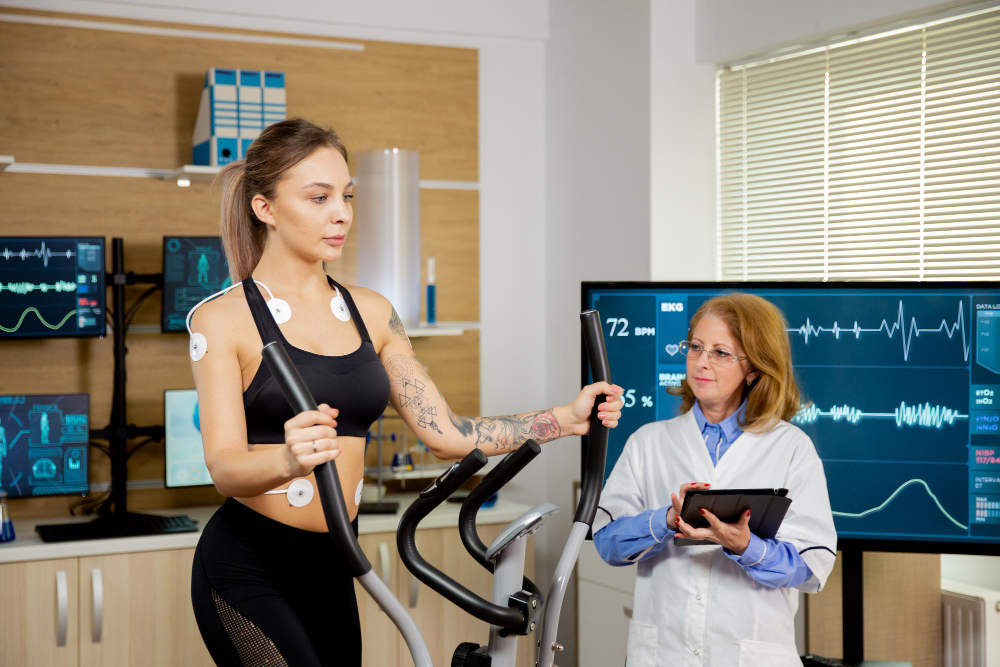
What is HRV?
Heart rate variability, or HRV, is a simple way to measure how your heart changes its beat-to-beat timing. Unlike a steady drum, your heart does not beat at the same pace every second. Instead, the time between each beat varies. This small change is called HRV. For example, if you are calm, your heart might show more variation. But when you are stressed, the variation often drops. Many fitness trackers and smartwatches can now measure HRV at home.
Why HRV Matters for Recovery
HRV is important because it shows how well your body recovers from stress, exercise, or illness. When your HRV is high, your body is usually in a relaxed state. This means you are ready to handle new challenges. On the other hand, low HRV can mean your body is tired or under stress. Therefore, tracking HRV helps you know when to rest or push harder. According to the CDC, good recovery is key for long-term health.
How HRV-Guided Lifestyle Interventions Work
HRV-guided lifestyle interventions use your daily HRV readings to shape your habits. By checking your HRV, you can adjust your activities to match your body’s needs. For instance, if your HRV is low, you might choose lighter exercise or more sleep. If your HRV is high, you may feel ready for a tougher workout. This approach is called “HRV-guided” because you let your body’s signals guide your choices.Exercise: Change your workout intensity based on HRV.Sleep: Aim for better sleep if HRV drops.Stress: Use relaxation methods when HRV is low.Diet: Notice how foods affect your HRV.
Measuring Real Physiological Recovery with HRV
Measuring physiological recovery means checking if your body is truly bouncing back after stress or effort. HRV is a reliable tool for this. For example, after a hard workout, your HRV may drop. But as you recover, your HRV should rise again. This pattern helps you see if your recovery is on track. Many people in the US now use HRV monitoring to track their health and recovery at home. Studies in medical journals show that HRV is a strong sign of real recovery, not just how you feel.
ABOUT OUR DEVICE
MyBrainVibe HRV Monitor is an advanced, user-friendly device that tracks HRV and provides actionable insights to help you better understand your body’s recovery and stress responses. It combines cutting-edge HRV measurement with AI-powered analysis, offering clear and personalized reports that track your overall well-being. With this device, you can gain a deeper understanding of how your nervous system is functioning, track recovery progress, and prevent overtraining or burnout. You can learn more about it here: MyBrainVibe
Practical Tips for Using HRV in Daily Life
Using HRV for health does not have to be hard. Here are some easy tips to get started:Check your HRV at the same time each day, like in the morning.Use a trusted device or app for tracking.Notice patterns, not just single numbers.Adjust your habits based on your HRV trends.Rest more if your HRV drops for several days.Try deep breathing or meditation to boost HRV.
With these steps, you can make HRV-guided lifestyle changes that support real recovery.
When to Seek Professional Advice
Sometimes, changes in HRV may signal a bigger health issue. If your HRV stays low for a long time, or if you feel unwell, talk to a healthcare specialist. Also, if you have a heart condition or take medication, ask your doctor before making big lifestyle changes. In summary, HRV is a helpful tool, but it does not replace medical advice.
To learn how HRV-guided interventions can benefit your recovery, consult a healthcare specialist for personalized advice.
References
Amekran, Y., & Malouch, W. (2024). Effects of exercise training on heart rate variability in adults: A systematic review. PMC Articles – National Center for Biotechnology Information. https://pubmed.ncbi.nlm.nih.gov/39015867/World Health Organization. (2025, July 31). Cardiovascular diseases (CVDs) [Fact sheet]. https://www.who.int/news-room/fact-sheets/detail/cardiovascular-diseases-%28cvds%29