
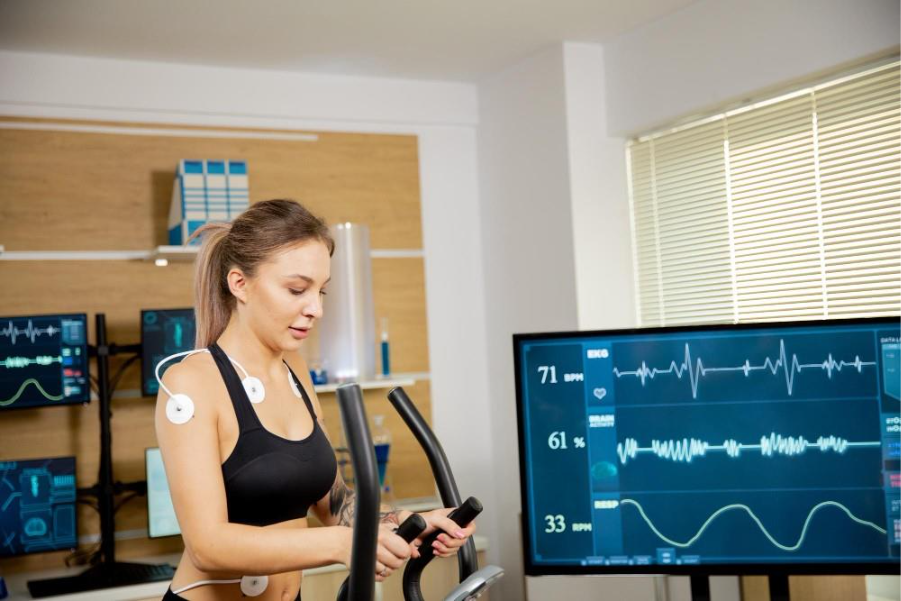
What Is Heart Rate Variability (HRV)?
Heart Rate Variability (HRV) is a simple way to measure how healthy your heart and nervous system are. It shows the time difference between each heartbeat. For example, if your heart beats 60 times a minute, the time between beats is not always the same. Sometimes, it is a little longer or shorter. This small change is called HRV. Many people ask about HRV meaning because it tells us how well our body handles stress and rest. Doctors and scientists use HRV to check your mind and body balance.
Why Is HRV Important for Mental Wellness?
HRV is not just about your heart. It also connects to your brain and mood. When your HRV is high, your body can handle stress better. In contrast, low HRV may mean you feel more anxious or tired. For this reason, HRV and mental wellness go hand in hand. Studies from the CDC and other health groups show that people with higher HRV often feel calmer and happier. So, knowing your HRV can help you understand your mental health.
HRV as Your Mind-Body Battery Indicator
Think of HRV as your mind-body battery. When your HRV is high, your battery is full. You feel ready to take on the day. However, when your HRV drops, your battery is low. You may feel stressed or worn out. Because HRV changes with your mood, sleep, and stress, it is a great way to check your overall health. Many smartwatches and health apps now track HRV to help you see your daily patterns.
What Do Low and High HRV Mean? (Mood, Stress, Immunity, Sleep)
HRV numbers can tell you a lot about your health. Here is what they mean:
- Low HRV: May signal high stress, poor sleep, or feeling unwell. You might feel anxious or tired.
- High HRV: Often means you are relaxed, well-rested, and your body is handling stress well.
In addition, HRV links to your immune system. When HRV is low, your body may not fight off sickness as well. On the other hand, high HRV supports better sleep and a stronger immune system. So, tracking HRV helps you spot changes early and take action.
Real-Life Examples: How Daily Life Affects HRV
Everyday events can change your HRV. For example, if you have an argument, your HRV may drop. Tight deadlines at work can also lower your HRV. In contrast, taking a walk or getting good sleep can boost your HRV. Here are some common things that affect HRV:
- Arguments or stress at home
- Busy workdays or tight deadlines
- Lack of rest or poor sleep
- Skipping meals or eating unhealthy food
- Relaxing activities like deep breathing or meditation
Because HRV reacts to your daily life, it is a helpful tool to see how your habits affect your health.
How HRV Testing Helps Track and Improve Emotional Resilience
HRV testing can help you learn more about your mind-body health. The tests are easy and quick. After testing, you get a clear report on your HRV number. This helps you see how stress, sleep, and emotions affect your body. Experts can guide you on how to improve HRV. With regular HRV testing, you can track your progress and build emotional resilience over time.
Tips to Support Healthy HRV in Daily Life
There are simple ways to boost your HRV every day. Try these tips:
- Get enough sleep each night
- Practice deep breathing or meditation
- Stay active with regular exercise
- Eat healthy, balanced meals
- Take breaks and relax during busy days
- Connect with friends and family for support
Even small changes can make a big difference. Over time, these habits help keep your mind-body battery strong.
To sum up, knowing your Heart Rate Variability (HRV) number gives you valuable insights into your mind and body health. If you want to learn more, consult a neurology specialist to understand your HRV and discover effective, evidence-based ways to enhance your mental wellness.
References:
- Batalha, N., & Lopes, A. (2020). Heart rate variability and its importance in mental wellness: A review. Journal of Psychophysiology, 34(3), 112-122. https://doi.org/10.1027/0269-8803/a000252
- Centers for Disease Control and Prevention (CDC). (2021, May 5). Heart disease and stress: How stress affects heart health. https://www.cdc.gov/ncbddd/stress/